Automatic ice restart for wind turbines

Stop losing AEP to ice curtailment.

Wind turbine ice detection with :RESTART ICE detects ice directly on the outer blade surface and triggers automatic restart – no manual intervention. Independent testing: first to detect, last to stop. Up to 80% less downtime vs. nacelle systems.

First to detect icing | Last to stop the turbine | Automatic closed-loop restart | Up to 80% less downtime compared to nacelle-based systems
Turbines with timer

Trusted by these industry leaders

XCEL Energy LOGOCapstone Infrastructure LOGOVEBSYS LOGOAlterric logoAspiravi logoBaywa R.E.EVN LogoWien Energie logo
Why most ice management leaves AEP on the table

Nacelle sensors are managing their own limitations, not your ice risk.

The stop is necessary. But only with safety-relevant icing. The wait is not. Without blade-level data, operations teams have no way to confirm clearance so they rely on conservative thresholds, proxy sensors, and manual processes built to cover the worst case. The turbine stays offline long after the risk has passed and that gap costs you every single winter.

Turbines with stop symbol

Your system stopped for rime ice last winter. It will do it again unless something changes.

Rime ice doesn’t justify a stop. Glaze ice does. Nacelle sensors or power curve can’t tell the difference so every icing event triggers a shutdown. Every unnecessary stop is production loss with no safety justification.
Your restart threshold is calibrated to your sensor

Your restart threshold is calibrated to your sensor, not to your blade. Every season you delay fixing that is another season of avoidable loss.

Ice persists on outer blade sections long after nacelle readings look safe. It forms at temperatures nacelle sensors don’t flag. When restart is based on indirect measurement, you’re not managing ice risk – you’re managing sensor limitations.
Money in snow

Every manual restart your team executed last winter had a price. Next winter that price is avoidable.

Even when conditions are clearly safe, restart waits on a person. Check, assess, authorize, execute — that process adds hours per event. Each manual restart costs up to $9,600 in personnel time before travel. Across a fleet, that’s not an inconvenience. It’s a structural AEP leak.
Solution

Know exactly what is on your blade. Restart the moment it is clear. Be ready before the first event of next season.

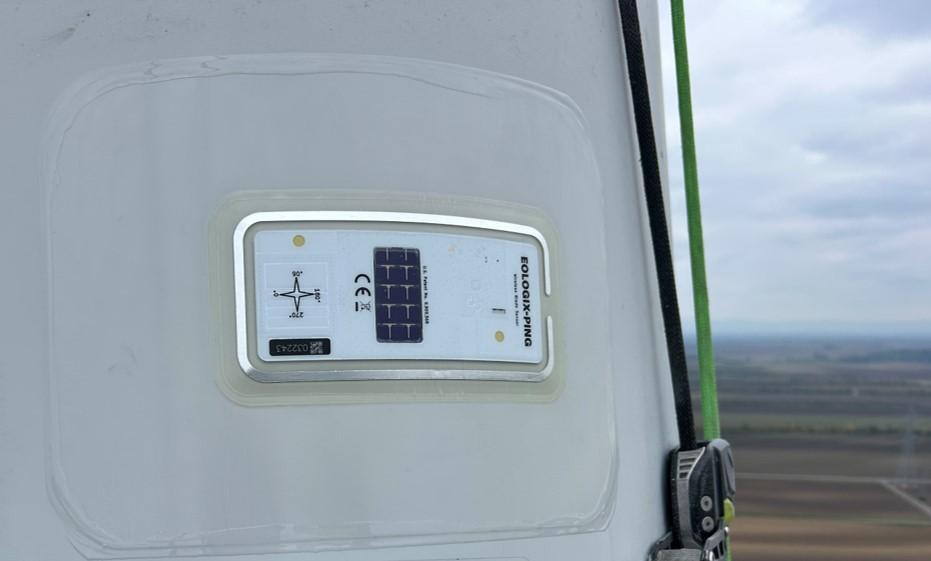
:RESTART ICE mounts a wireless capacitive sensor on the rotor blade — the only place actual surface conditions can be measured. It reads 5 ice severity levels, distinguishes rime from glaze, and triggers automatic restart the moment clearance is confirmed. No proxy. No estimate. No waiting.

In independent testing: first to detect, last to stop. Operators report up to 80% less downtime vs. nacelle systems.
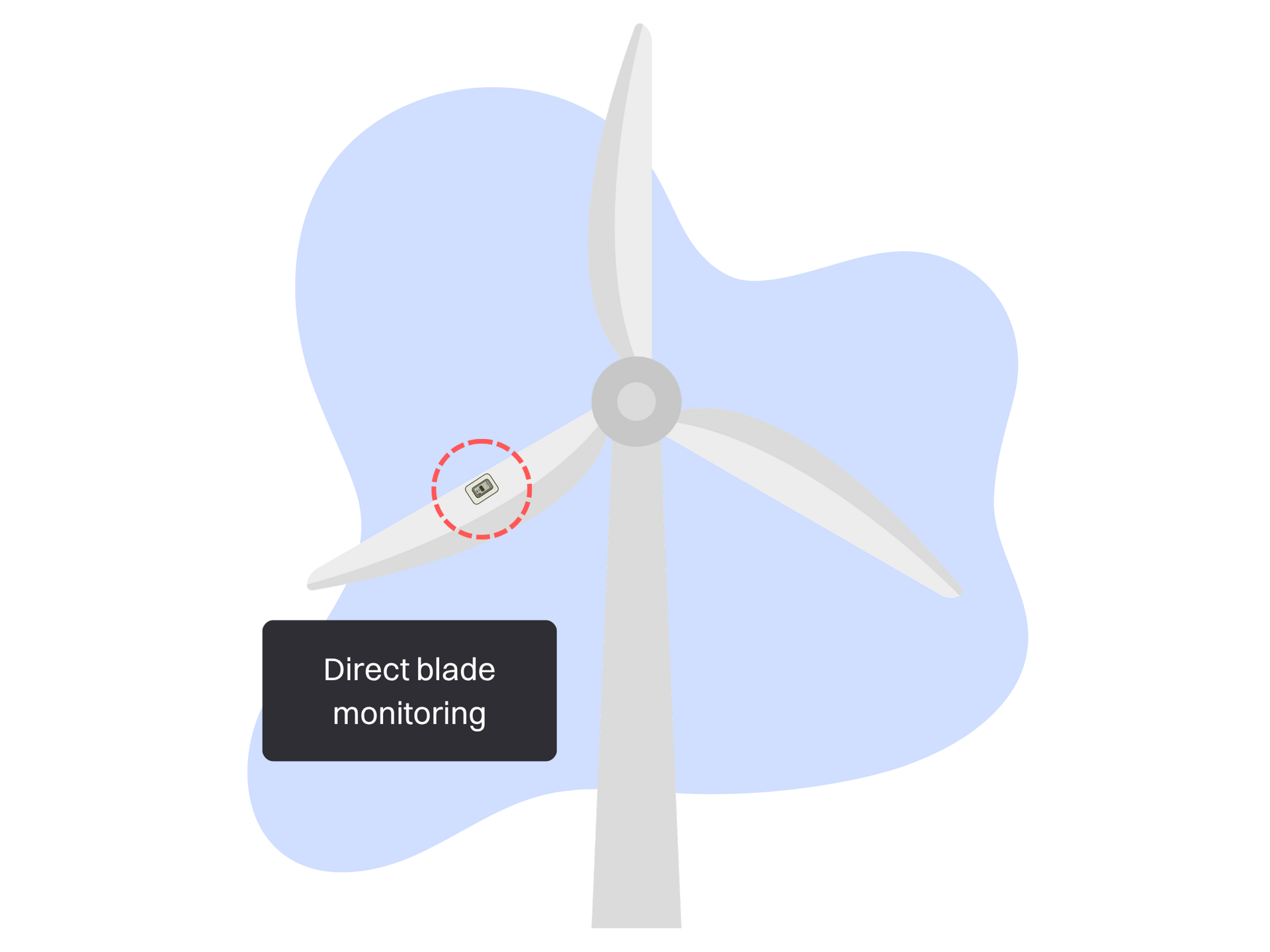
Turbine with smart sensor on blade
Check icon

Automatic restart

The moment blade-level clearance is confirmed, :RESTART ICE triggers restart through your turbine control system without operator intervention. The window between safe conditions and resumed production closes automatically every time.

Check icon

Measurement where it actually matters

At <2mm thick and fully energy self-sufficient, it retrofits onto existing turbines without blade modification or wiring.
Check icon

Stop only when safety requires it

:RESTART ICE distinguishes rime ice from glaze ice. Only glaze ice, the formation that creates genuine throw risk, triggers a curtailment. Rime ice events that would have stopped your turbines under a nacelle-based system no longer cost you production.

Compatible with Enercon, Vestas, Senvion, Nordex, GE, and more.

Benefits

What changes after the first icing event of next season.

:RESTART ICE integrates into your existing SCADA and O&M workflow. Nothing to rip out. No new process to learn. From the first icing event of the season you get smarter stops, faster restarts, and the AEP that was previously left on the table.

First to detect. Last to stop. Proven by independent testing.

In a third-party comparison of ice detection systems, :RESTART ICE detected icing earlier than any other system tested and kept the turbine running longer before a safety-relevant stop was required. Earlier detection means more time to respond. Later stopping means more production hours retained. Both outcomes are independently verified, not just claimed.

Get back the hours you lost last winter

Real-world deployments on Vestas V112 and Nordex N117 show 110–180 hours of additional yield per turbine per season. Up to 80% less downtime vs. nacelle systems.

Stop paying for restarts that a sensor should handle

Every manual restart costs up to $9,600 before travel. :RESTART ICE closes the loop automatically and your team focuses on work that actually requires a human.

Stop the turbine only when the risk is real

With rime and glaze ice detection your curtailment decisions are based on actual throw risk, not on the limitations of what a nacelle sensor can see. Fewer unnecessary stops means more production hours and a more defensible curtailment record for asset owners and regulators.

What operators say
Trusted by wind asset managers

"[...] is actual the first system to detect icing. [...] it is the last one to stop the turbine."

Paul Froidevaux

Meteotest AG (talking about EOLOGIX-PING at Winterwind 2021)

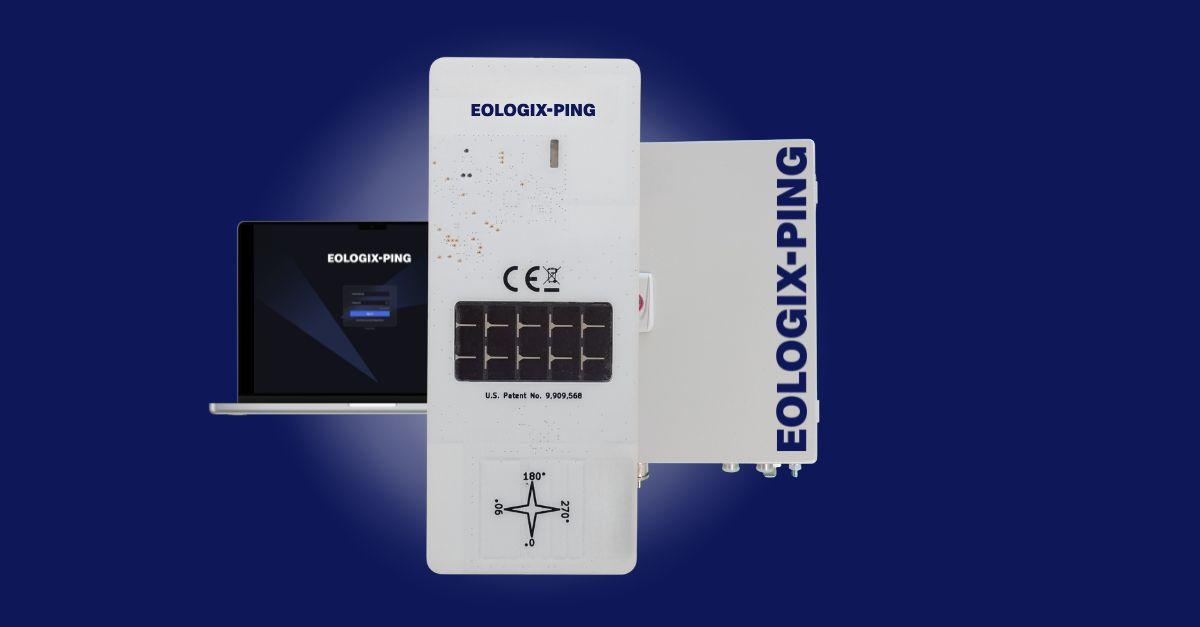
On blade sensor package with wireless blade sensor, base station and dashboard access.

50% reduction in downtime due to icing was achieved after just one winter

Daniel Nagel

Technical Operations Manager | GLS Beteiligungs AG, Germany

Eight wind turbines on a mointain covered with snow
In-person event icon

The window to act before winter is shorter than it looks.

In 20 minutes: What blade-level detection looks like for your turbines, what integration requires, and what curtailment reduction to expect for your site. Free. No obligation. Book before the season starts.

Get your free site assessment