Lightning monitoring for wind turbines
Stop inspecting your entire fleet. Know which turbine was struck.
Get turbine-level lightning strike confirmation with :EVENT LIGHTNING FLEET – so your team acts on data, not guesswork.

Turbine-level confirmation | Cellular & satellite version available | Proven on 1,000+ turbines
Trusted by these industry leaders








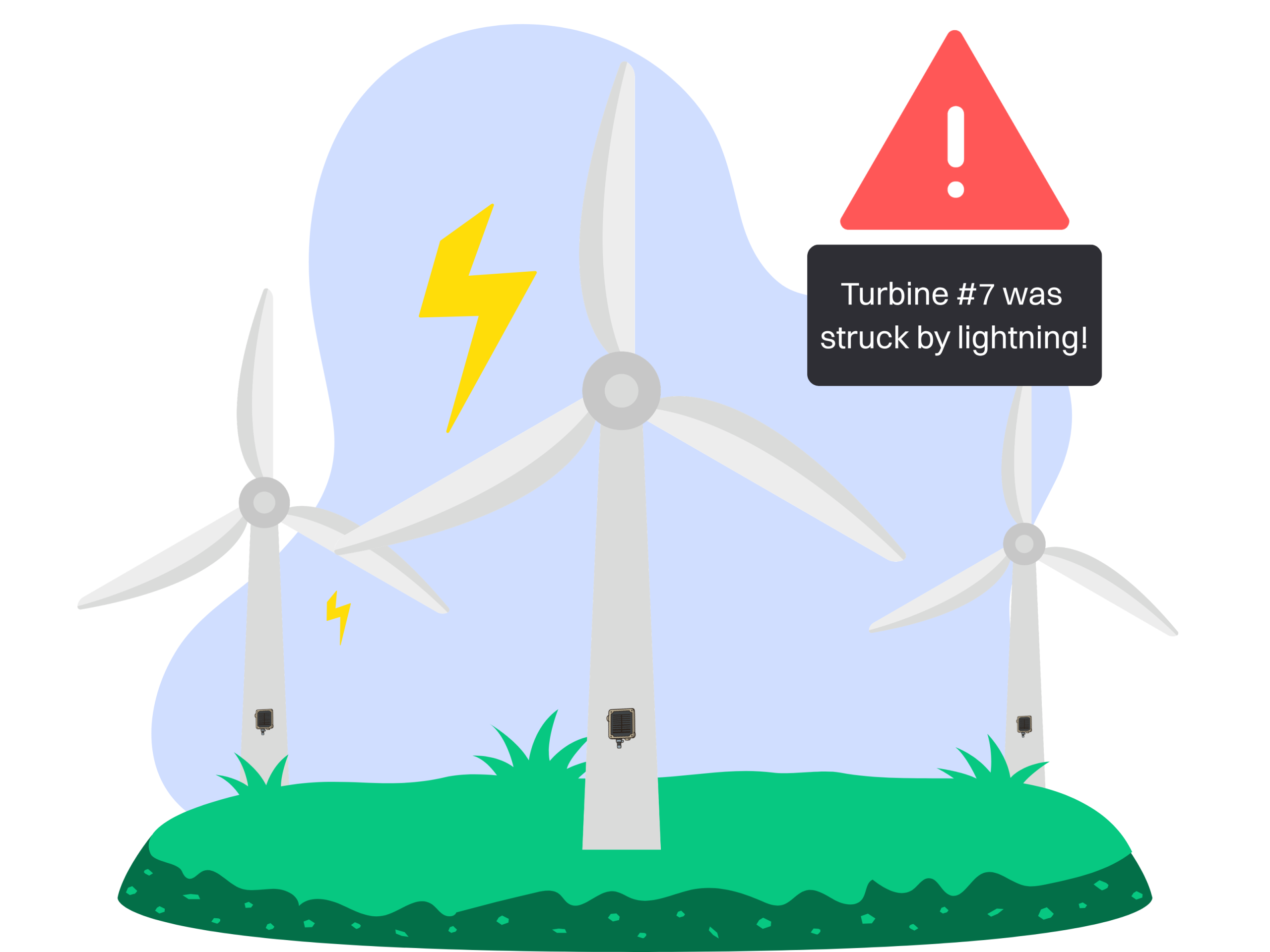
Every storm triggers the same costly dilemma: inspect everything, or risk missing real damage
Without turbine-level data, asset managers are stuck choosing between over-inspecting and under-inspecting. Neither option is acceptable when margins are tight and turbine availability drives your returns.
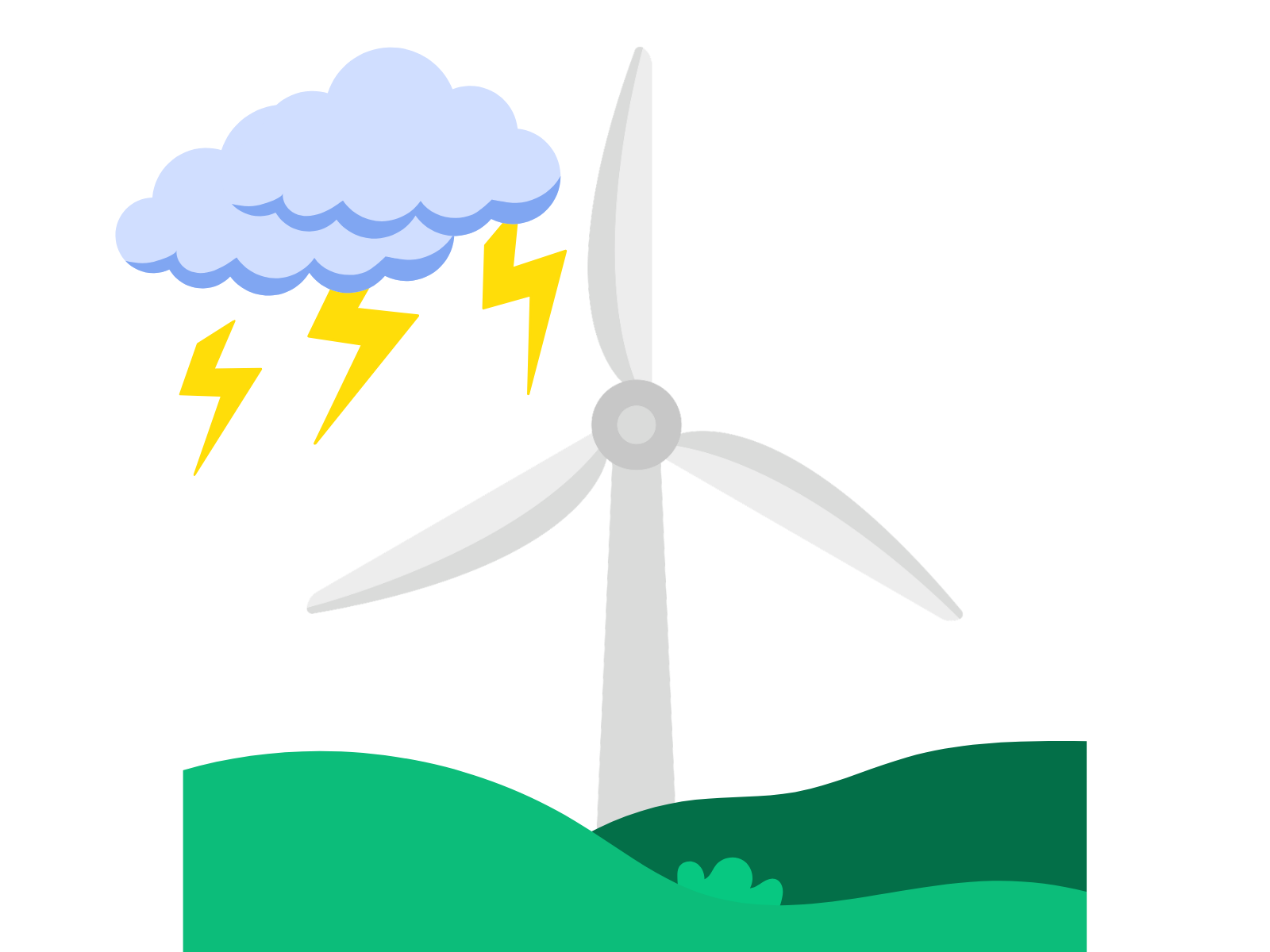
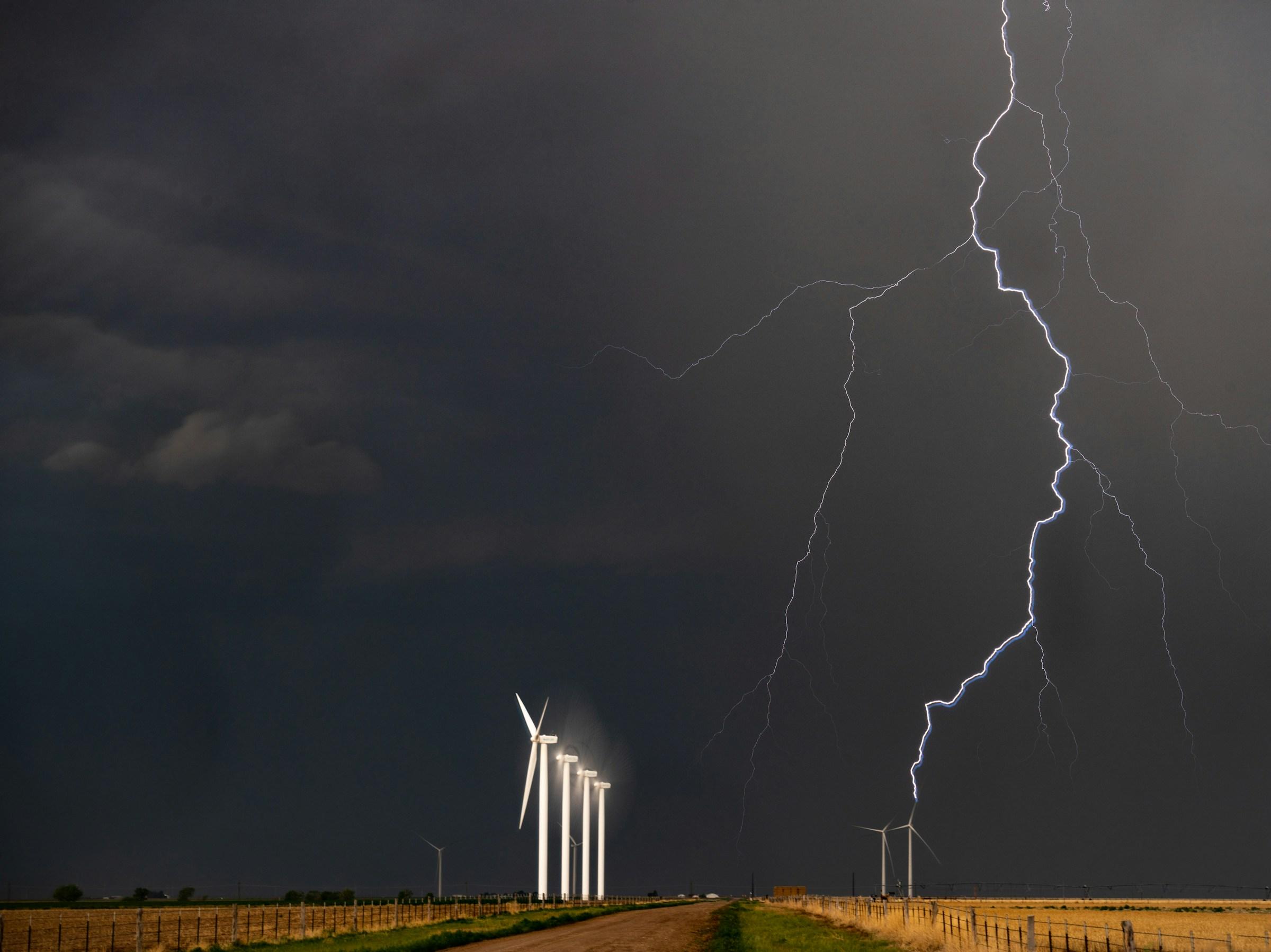
Weather services tell you lightning struck your region - not your turbine
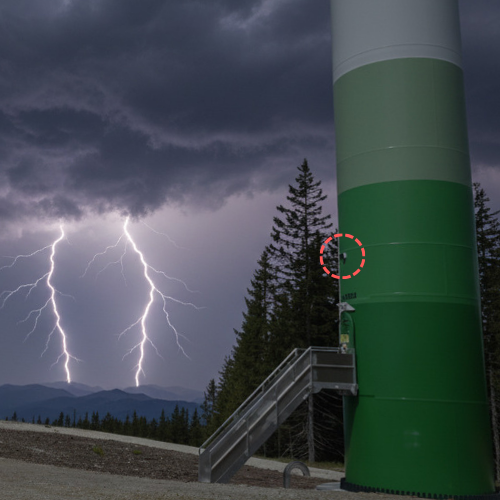
NOAA and commercial lightning networks are built for meteorology, not asset management. They’ll confirm a storm passed through your county. They won’t tell you whether it was turbine 12 or turbine 34 that took a direct hit. That gap turns every major storm into a blanket inspection event – expensive, slow, and often unnecessary.
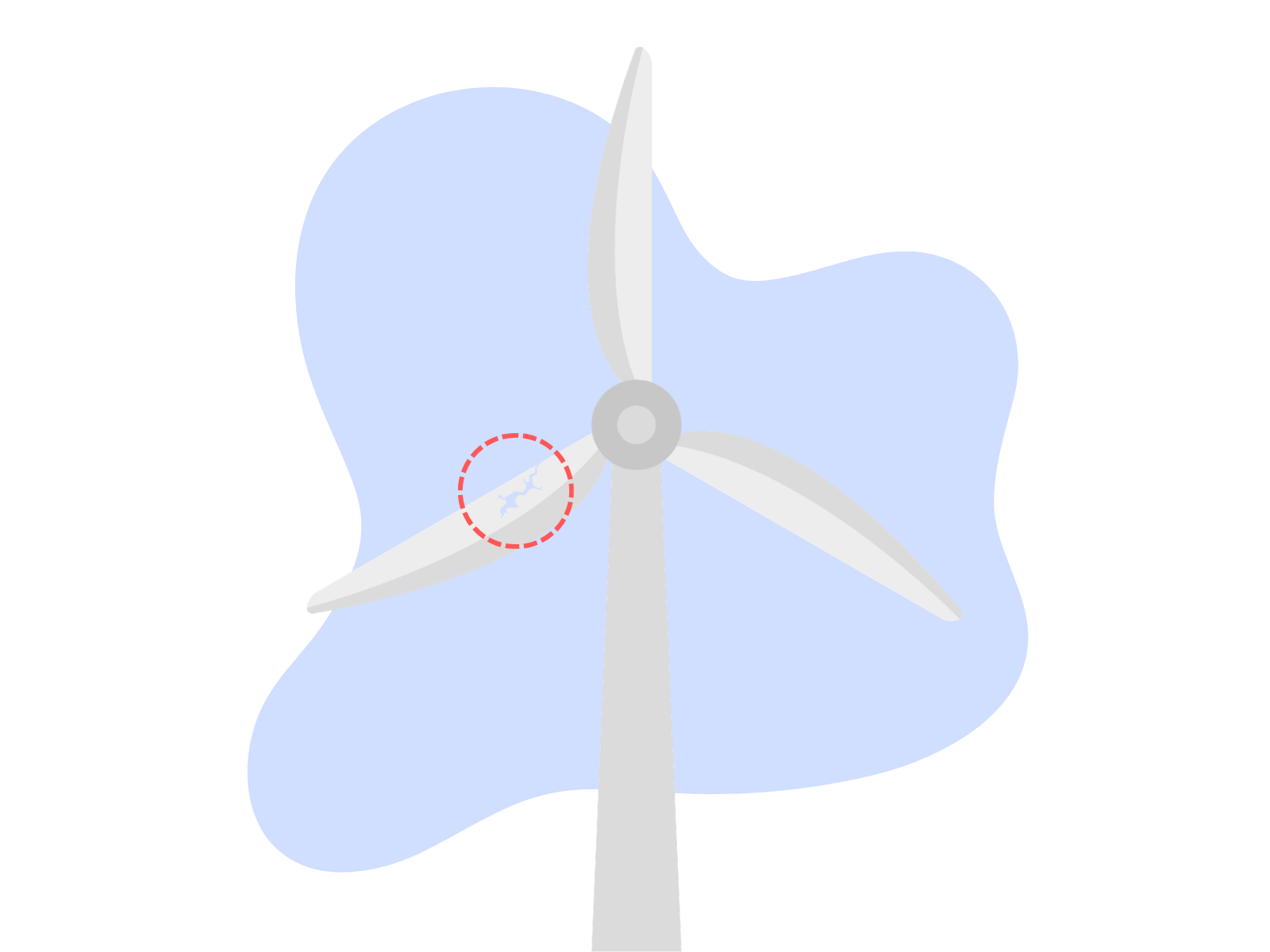
Low-current strikes are invisible to radio-wave detection - until the damage shows up

Remote sites have zero monitoring - and those portfolios are growing fast
Wind development is pushing into the Great Plains, the Southwest, and international remote regions where cellular coverage is unreliable or nonexistent. If your monitoring solution requires a cell signal, a growing share of your portfolio is running blind after every lightning event.
Turbine-level strike data. Delivered to your team. No matter where your assets are.
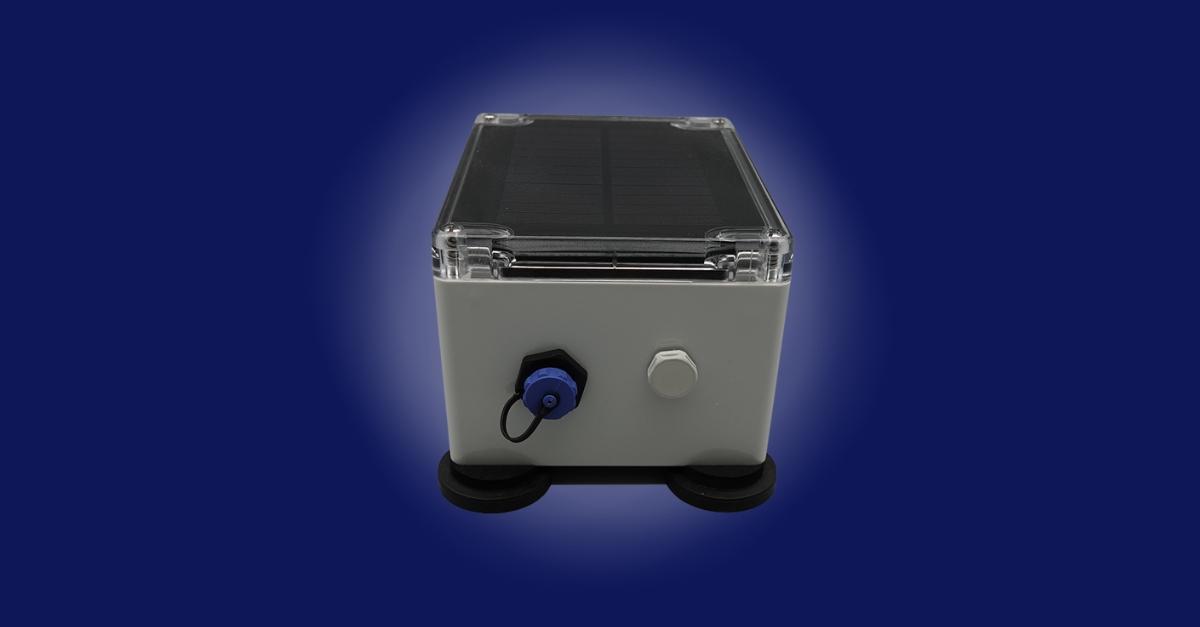
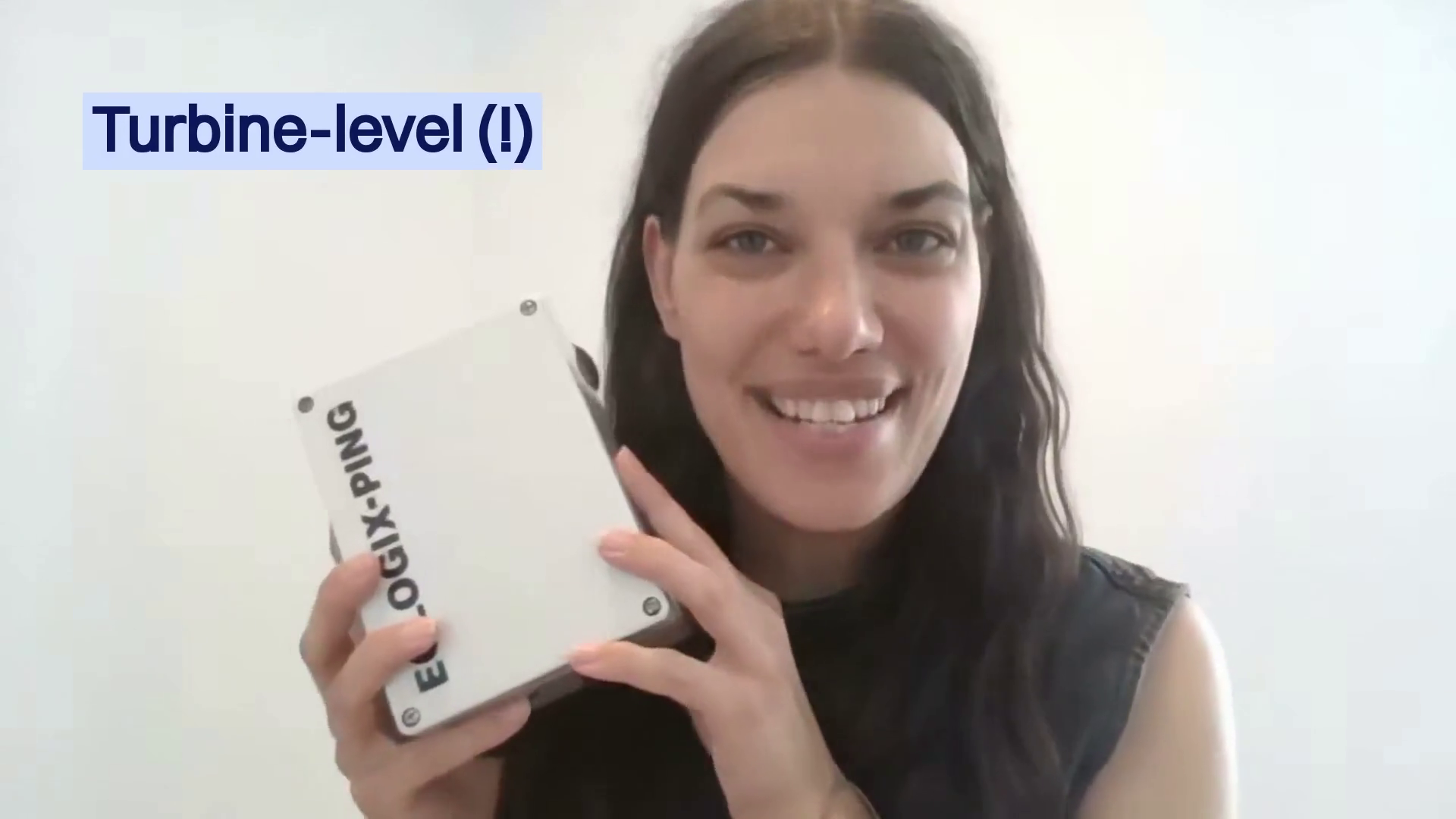
A magnetic field detector mounted inside the Power and Communication Module (PCM) at the tower base. That’s how :EVENT LIGHTNING FLEET catches lightning. When current travels through the tower structure, it’s captured directly, confirmed, and pushed to the cloud. No guesswork.
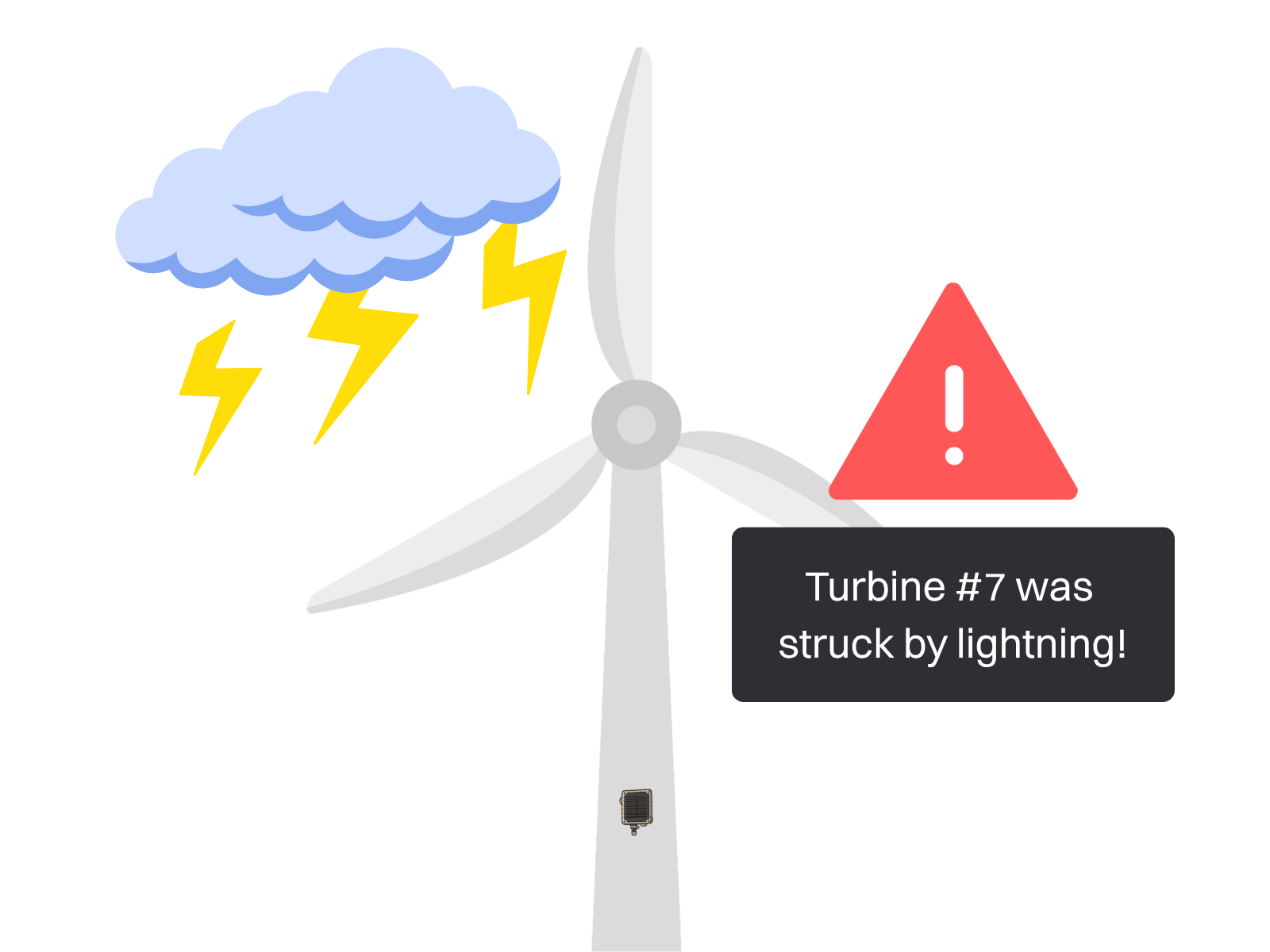

Asset-level data, not area-wide estimates
Catches the strikes that cause the most hidden damage
The system is designed to also detect events near 2 kA the low-current strikes that radio-wave systems miss but that still cause real structural harm. Earlier detection means earlier intervention and lower repair costs.
Cut your post-storm inspection workload significantly
Choose your connectivity option
Two versions. One system. No site left unmonitored.
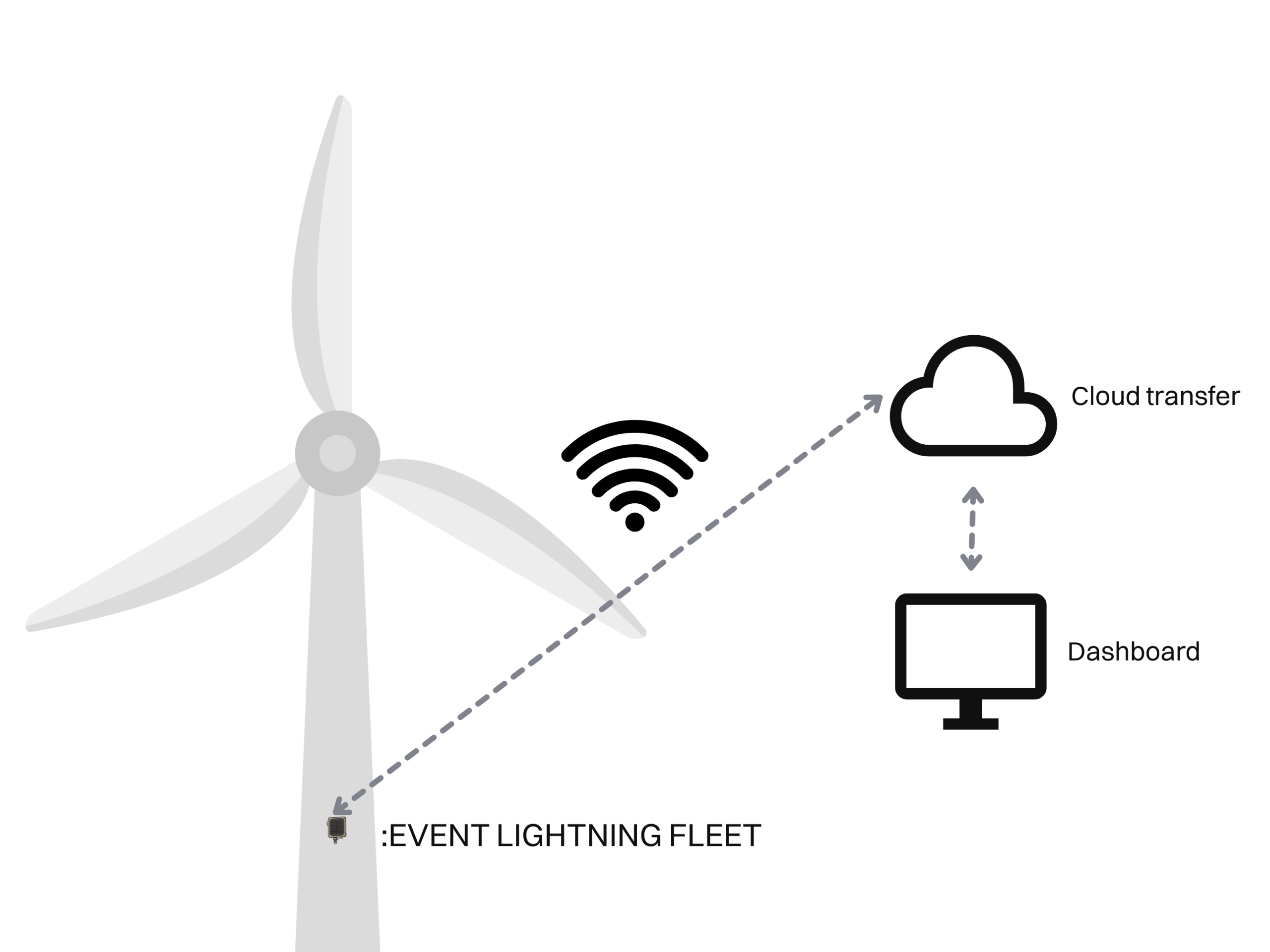
Cellular version
The standard version uses cellular communication to deliver turbine-level strike notifications. Designed for wind farms with reliable mobile coverage the right fit for most established US wind markets in the Midwest, Texas, and the coasts. Proven hardware, straightforward installation, immediate operational value. Strike detected – team notified – inspection prioritized.
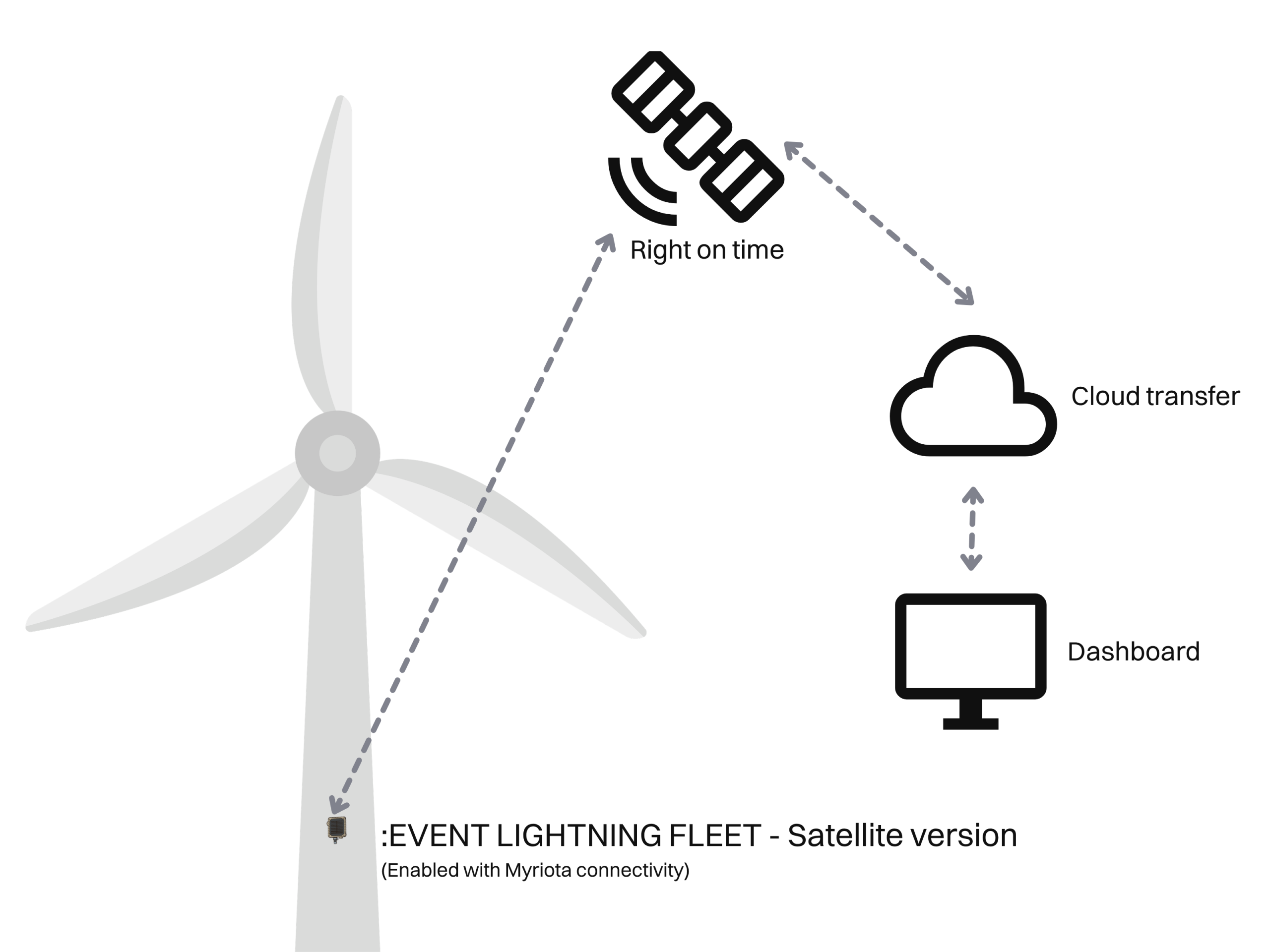
Satellite version
The satellite version replaces cellular with satellite connectivity, enabled with Myriota connectivity so lightning monitoring works at your most remote sites regardless of cellular coverage. Built for wind farms in the high plains, mountain regions, and international remote markets where cellular infrastructure can’t be relied on.
Same system. Same workflow. Same turbine-level confirmation. The only difference is how the notification gets to your team.

The operational impact is starting after the first storm event
:EVENT LIGHTNING FLEET integrates into your existing O&M workflow. No rip-and-replace. No new process to learn. Just better data driving smarter inspection decisions.
Eliminate fleet-wide inspections after storms
Detect damage before it becomes a catastrophic failure
Full portfolio coverage
What operators say

Find out how many post-storm inspections you could eliminate.
In 30 minutes, we show you the detection setup, notification workflow, and the right connectivity version for your fleet. No sales pressure. Just your numbers to make an informed decision.