6 min to read
Best practices for implementing wind turbine blade monitoring technologies
Published: September 9, 2025
Updated: November 17, 2025
Proactive wind turbine blade monitoring is no longer optional; it’s a strategic necessity for wind farm operators. By detecting blade defects early, operators can extend turbine blade lifespan, maintain peak energy output, and avoid costly unplanned downtime.
Successful implementation requires more than installing sensors—it demands strategic planning, the right technology selection, and skilled operational execution. This article outlines six key tips for implementing wind turbine blade monitoring, based on proven approaches in modern wind energy operations.
1. Start with a thorough site & risk assessment
Every wind farm faces unique environmental and operational conditions. A comprehensive site assessment ensures your monitoring strategy is effective and accurate. Key considerations:
-
Location-specific conditions
Coastal farms need corrosion-resistant sensors, while inland sites may require dust- or temperature-resilient technology. -
Site accessibility
Remote locations benefit from robust remote monitoring solutions; urban-adjacent turbines require safety-focused monitoring for surrounding areas. -
Turbine model and design
Match monitoring solutions to specific blade stress points and failure modes. -
Maintenance schedules
Historical performance data can optimize inspection intervals and predict high-risk areas.
Why it matters
Customizing your monitoring approach reduces false alerts, improves detection accuracy, and ensures timely interventions.
2. Choose the right blade monitoring technology
Selecting the right technology is critical for reliable wind turbine blade monitoring. Consider these factors:
- Environmental adaptability
Sensors and systems must withstand temperature swings, high winds, or humidity peaks. - Integration with existing systems and turbine control
Consider whether the monitoring solution should only provide data for analysis or actively interact with the turbine’s control system. Defining this early helps ensure seamless integration, avoids compatibility issues, and clarifies the role of each technology in your overall operations strategy. - Early detection
Choose systems capable of identifying damage before it affects output or causes costly repairs. - Remote monitoring
Especially valuable for sites with limited personnel, enable continuous oversight without frequent visits. - Ease of installation
Minimize downtime with systems that require minimal specialized equipment. - Scalability
Select solutions that can grow with your monitoring needs. - Data accuracy
Reliable data is essential for informed decision-making. - Support & training
Ensure providers offer technical assistance and training for your team. - Cost-effectiveness
Balance upfront investment with long-term savings and operational benefits.
3. Validate the monitoring system
After installation, validate your monitoring system to ensure accuracy.
-
Cross-check alerts with manual inspections or other sensors.
-
Fine-tune system parameters based on performance data.
-
Build operator confidence in the system’s reliability.
Pro tip: Regular validation ensures ongoing effectiveness and reduces unnecessary maintenance interventions.
4. Train your team for effective usage
A monitoring system is only as effective as the people using it. Implement ongoing team training:
-
Keep staff updated on software updates and system upgrades.
-
Develop data interpretation skills to convert alerts into actionable maintenance plans.
-
Collaborate with vendors for in-depth troubleshooting and advanced usage tips.
5. Integrate into a comprehensive maintenance workflow
Wind turbine blade monitoring is most effective when part of a structured maintenance strategy:
-
Establish immediate response protocols for critical alerts.
-
Schedule preventive maintenance to address minor damage before it escalates.
-
Use performance data for continuous workflow improvement based on collected data and performance reviews.
6. Evaluate cost-benefit and ROI
While advanced monitoring comes with initial costs, benefits often outweigh them:
- Reduced downtime and repair costs through early detection.
- Revenue preservation from consistent turbine performance.
- Risk mitigation against catastrophic failures.
- Optimized resource management within budget constraints.
Example:
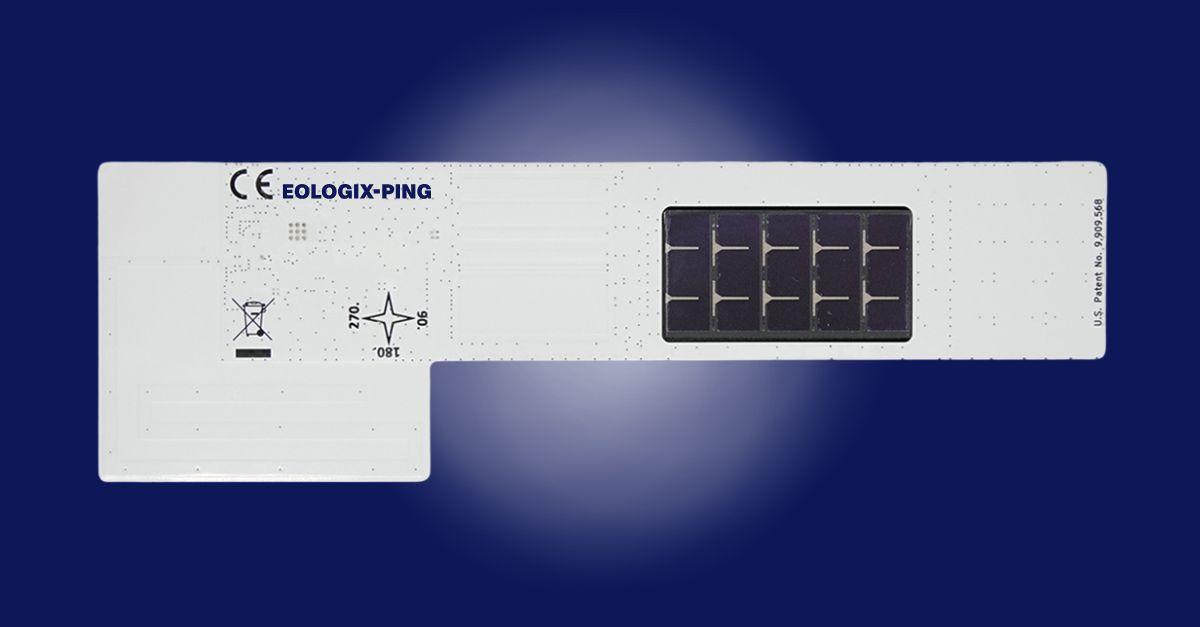
A real-world EOLOGIX-PING installation for a GE 1.6 MW turbine reduced downtime and inspection efforts by prioritizing faults. Annual savings per turbine exceeded $2,240, with a payback period of under 9 months.
Conclusion
Implementing blade monitoring technologies is not simply about adding sensors, it’s about building a proactive, data-driven maintenance strategy. By aligning the right technology with your site’s conditions, validating performance, and integrating it into daily operations, wind turbine operators can move from reactive repairs to predictive maintenance. The result: longer blade lifetime, reduced costs, and more consistent energy output.
Share this blog post


Get your whitepaper
Would you like to dive deeper into continuous condition monitoring for wind turbines? Find out everything you need to know in our whitepapers.
Similar blog posts


Subscribe to our newsletter
Stay informed with the latest industry news, fascinating insights, and updates from EOLOGIX-PING delivered straight to your inbox.
PS.: We promise no spam.